
How to Add Tank Tops to Your Everyday Style
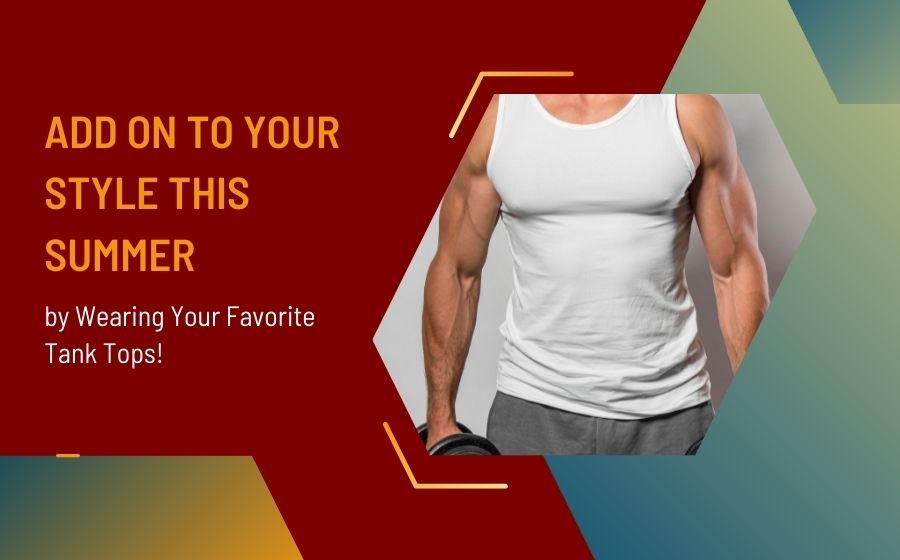
How to Add Tank Tops to Your Everyday Style explains how tank tops can work as a practical and style-driven wardrobe piece with practical buying guidance and product links.
How to Add Tank Tops to Your Everyday Style is written from the perspective of a sportswear brand that has to think beyond headlines and into actual use. At SNPride Sports, that means asking how a product behaves during training, how it feels after repeated wear, and whether the buyer can match it to the right category without guesswork.
This post looks at how tank tops can work as a practical and style-driven wardrobe piece. In our experience, apparel only works well when it keeps its shape, layers cleanly, and feels comfortable after the first few hours, not just the first try-on.
That is why the discussion connects naturally to Apparel and to items such as T-Shirts, Tracksuit, and Hoodies. Whether the reader is thinking about tank tops, leggings, hoodies, or joggers, the same checks apply: does the fabric recover, does the fit stay clean, and does it still look intentional after washing?
SNPride Sports builds apparel content around repeat wear because that is how the pieces are actually used. Most customers do not want a garment that only looks good on a hanger. They want a piece that works for training, travel, layering, and a normal daily routine without becoming sloppy.
If you want to compare styles, Running Leggings vs Yoga Leggings: Key Differences helps anchor the conversation in the rest of the site. It also makes it easier to move from a style question to a product choice without losing context.
- Choose fabric that keeps shape after repeated wear.
- Look for layering comfort and a fit that does not twist or cling badly.
- Use apparel as both a style piece and a training-ready layer.
Start with the way you plan to wear the tank top
A tank top can be a training layer, a warm-weather top, or the foundation of a casual outfit, but one cut rarely performs every job equally well. A close athletic cut stays out of the way during exercise and layers neatly under a hoodie or jacket. A straighter, slightly relaxed cut gives more airflow and often looks more balanced with everyday trousers or shorts. Decide on the main use first, then judge the neckline, armhole and body length against that use rather than choosing only from a front-view photograph.
Movement is the quickest fit test. Raise both arms, reach forward and rotate the torso. The hem should not climb excessively, the neckline should stay in place, and the armholes should not expose more than intended. If the garment twists around the body, the issue may be poor pattern balance rather than the labelled size. A useful tank top feels uncomplicated through a full day, not merely comfortable for the first minute.
Use fabric weight and structure to control the look
Lightweight jersey feels cool and drapes easily, which suits training and hot conditions, but very thin material can cling or become transparent under strong light. A medium-weight cotton or blended jersey holds a cleaner outline and usually works better as a stand-alone casual piece. Performance blends can improve moisture movement and drying speed, while cotton-rich fabrics offer a familiar hand feel. Neither option is automatically superior; the right choice follows the wearer, climate and expected washing routine.
Check recovery by gently stretching a small area and seeing whether it returns to shape. Rib bindings around the neck and armholes should lie flat without rippling. These details determine whether the tank keeps looking deliberate after repeated use. For a coordinated casual range, compare the fabric and finish with related custom T-shirts rather than treating the tank as an isolated product.
Build outfits through proportion and layering
A fitted tank usually works best with a relaxed outer layer or fuller shorts, while an oversized tank benefits from a more controlled lower half. The goal is visual balance. Under an open overshirt, zip hoodie or lightweight jacket, keep the tank neckline simple and ensure the hem does not compete with every other layer. Tonal combinations such as black with charcoal are easy to repeat; a contrasting tank creates a stronger focal point.
Color is also practical. Pale shades can show sweat and require more attention to opacity, while darker shades hide marks but may absorb more heat outdoors. Neutral colors provide the most outfit combinations, and one or two accent colors can give a collection identity without making it difficult to coordinate.
Choose decoration that suits the garment
Tank tops offer less printable area than standard tees, so artwork needs to respect the neckline and armhole shape. A compact chest mark, centered graphic or small back detail often looks cleaner than an oversized design forced into a narrow panel. The decoration method should match the fabric: heavy applications can distort light jersey, while a suitable print or embroidery placement should move with the garment. Always approve the artwork at actual size rather than judging only a digital mock-up.
A practical tank-top checklist
- Confirm the intended use: training, layering, casual wear or team merchandise.
- Test arm movement, neckline stability, body length and side-seam balance.
- Check fabric opacity, stretch recovery and wash instructions.
- Match print size and placement to the smaller front and back panels.
- Review a physical sample before approving a custom production run.
Conclusion: style works when the basics are right
Adding tank tops to your style does not require a complicated wardrobe. Begin with a fit that supports the intended activity, select fabric with the right balance of airflow and structure, and use proportion, color and layering to make the garment feel intentional. Custom details can create distinction, but they should sit on top of sound construction. When comfort, recovery and finish are correct, a tank top can move naturally between training, travel and everyday use.
Buying and custom-manufacturing considerations
For a wholesale or private-label order, define how how to style tank tops will be used before discussing decoration. Record the required materials, measurements, size range, colors, logo positions, labels, packaging and quantity. Compare the approved relevant product example with the wider product category, then request a physical sample. Review fit, movement, construction and care after use rather than approving only a digital mock-up.
Keep written notes for every revision and confirm which sample becomes the production reference. Ask how measurements and visual defects will be checked, what variation is acceptable, and whether repeat orders can use the same materials. Include the intended market and user level in the brief because a club, retail brand and professional training program may prioritize different details. Confirm the final size breakdown and artwork files before production begins, since late changes can affect material use, placement and scheduling.
Related guidance is available in this practical guide and this supporting article. These links help buyers compare the product within its real training or apparel context instead of treating one feature as the complete decision.