
How to Create a Personal Style with Sportswear
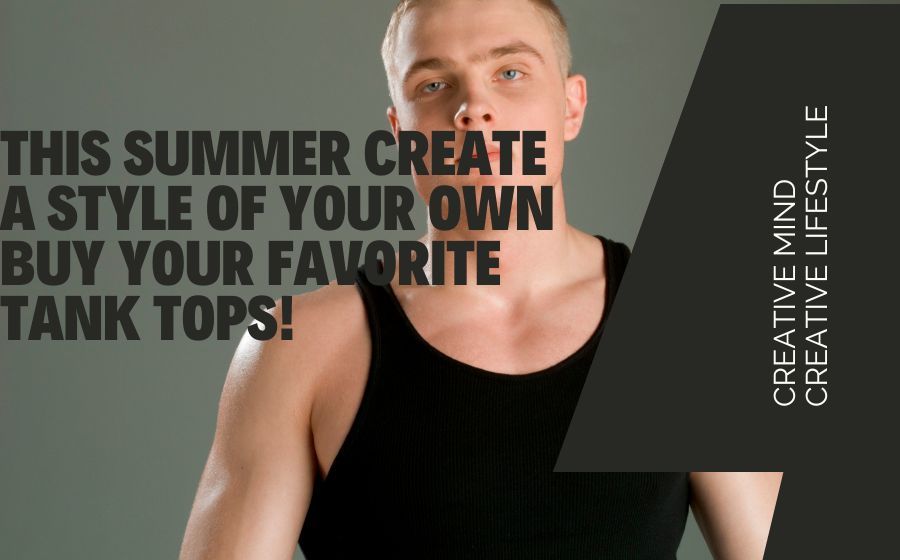
How to Create a Personal Style with Sportswear explains building a personal look around wear that can handle daily use with practical buying guidance and product links.
How to Create a Personal Style with Sportswear is written from the perspective of a sportswear brand that has to think beyond headlines and into actual use. At SNPride Sports, that means asking how a product behaves during training, how it feels after repeated wear, and whether the buyer can match it to the right category without guesswork.
This post looks at building a personal look around wear that can handle daily use. In our experience, apparel only works well when it keeps its shape, layers cleanly, and feels comfortable after the first few hours, not just the first try-on.
That is why the discussion connects naturally to Apparel and to items such as T-Shirts, Tracksuit, and Hoodies. Whether the reader is thinking about tank tops, leggings, hoodies, or joggers, the same checks apply: does the fabric recover, does the fit stay clean, and does it still look intentional after washing?
SNPride Sports builds apparel content around repeat wear because that is how the pieces are actually used. Most customers do not want a garment that only looks good on a hanger. They want a piece that works for training, travel, layering, and a normal daily routine without becoming sloppy.
If you want to compare styles, Running Leggings vs Yoga Leggings: Key Differences helps anchor the conversation in the rest of the site. It also makes it easier to move from a style question to a product choice without losing context.
- Choose fabric that keeps shape after repeated wear.
- Look for layering comfort and a fit that does not twist or cling badly.
- Use apparel as both a style piece and a training-ready layer.
Define what your wardrobe needs to do
Personal style becomes easier when it begins with real routines. List the places you dress for, the climate, preferred activities and the level of care you are willing to give each item. Someone who trains, travels and works casually needs different fabrics and layers from someone building a team or streetwear collection. Function narrows the choices without removing creativity.
Look at the garments worn most often and identify why they work. It may be a particular shoulder shape, trouser rise, neutral palette or fabric weight. Those patterns are more useful than copying an outfit that suits a different body or lifestyle.
Build a small, repeatable color palette
Choose two or three base colors that combine easily, then add one or two accents. Repeating those colors across tops, bottoms and layers makes a limited wardrobe feel intentional. Tonal outfits create a quiet, streamlined effect; contrast creates energy. Consider fading, sweat visibility, opacity and how colors appear in the local light as well as personal preference.
For custom pieces such as custom T-shirts, approve a physical color reference. The same shade can vary across cotton, polyester, rib and printed surfaces.
Use fit and proportion as your signature
A personal style can be built around relaxed tops and controlled bottoms, close athletic layers under broad jackets, or consistently clean straight silhouettes. The rule is balance rather than one approved shape. Test garments while sitting, reaching and walking, and use alterations or custom measurements where standard sizing repeatedly fails.
Avoid changing every proportion at once. If an oversized hoodie is the focal piece, keep the rest of the outfit quieter. If the trousers are wide or heavily detailed, a simpler top allows them to lead.
Select signature details carefully
A recurring label position, contrast stitch, small emblem, neckline shape or fabric texture can create identity across a range. One repeated detail is usually stronger than several unrelated graphics. Decoration needs to suit the garment and fabric: heavy embroidery can distort light jersey, while very fine print detail may not reproduce consistently at small sizes.
Use original artwork and confirm the right to reproduce all logos. Review decoration at actual size on a sample, including the smallest and largest garment sizes when placement could shift visually.
Buy fewer pieces with more combinations
Before adding an item, identify at least three ways it works with the existing wardrobe. A neutral hoodie that layers over training and casual tops may add more value than a statement piece with only one pairing. Quality should be judged through material recovery, seam construction, closure reliability and care requirements rather than price or marketing language alone.
A practical personal-style exercise
- Photograph five outfits you already enjoy wearing.
- Note repeated colors, fits, fabrics and useful layers.
- Remove details that look interesting but feel uncomfortable in practice.
- Choose one signature element to repeat in future purchases.
- Add new pieces only when they create several workable combinations.
Conclusion: consistency creates a recognizable style
Creating your own style is less about constant novelty and more about making clear choices repeatedly. Build around daily needs, a controlled palette, reliable proportions and one or two signature details. Test clothing in movement, care for it according to the material and customize only where the change adds real value. A wardrobe becomes personal when it supports the wearer naturally and remains coherent as individual pieces change.
Buying and custom-manufacturing considerations
For a wholesale or private-label order, define how personal sportswear style will be used before discussing decoration. Record the required materials, measurements, size range, colors, logo positions, labels, packaging and quantity. Compare the approved relevant product example with the wider product category, then request a physical sample. Review fit, movement, construction and care after use rather than approving only a digital mock-up.
Keep written notes for every revision and confirm which sample becomes the production reference. Ask how measurements and visual defects will be checked, what variation is acceptable, and whether repeat orders can use the same materials. Include the intended market and user level in the brief because a club, retail brand and professional training program may prioritize different details. Confirm the final size breakdown and artwork files before production begins, since late changes can affect material use, placement and scheduling.
Related guidance is available in this practical guide and this supporting article. These links help buyers compare the product within its real training or apparel context instead of treating one feature as the complete decision.