
How to Choose Comfortable Clothing for Yoga Practice
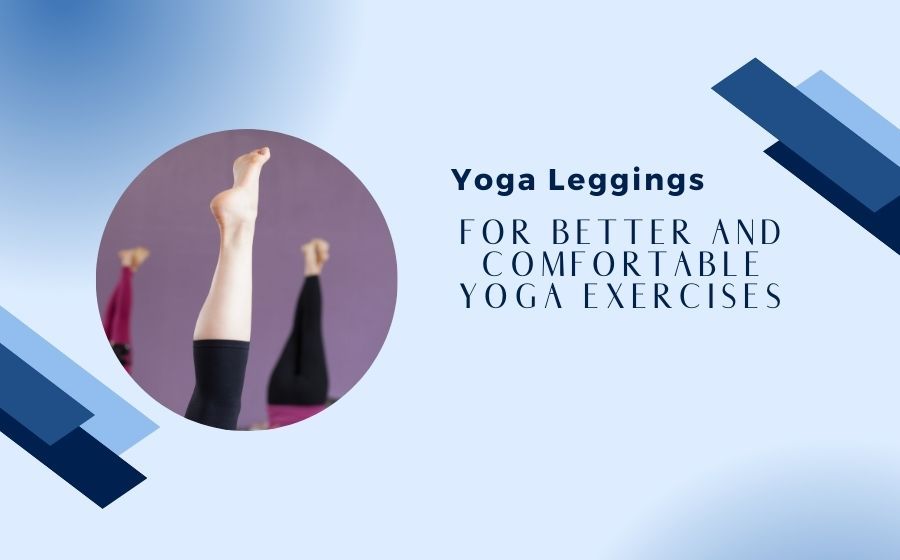
How to Choose Comfortable Clothing for Yoga Practice explains how the right leggings improve comfort during yoga practice with practical buying guidance and product links.
How to Choose Comfortable Clothing for Yoga Practice is written from the perspective of a sportswear brand that has to think beyond headlines and into actual use. At SNPride Sports, that means asking how a product behaves during training, how it feels after repeated wear, and whether the buyer can match it to the right category without guesswork.
This post looks at how the right leggings improve comfort during yoga practice. In our experience, apparel only works well when it keeps its shape, layers cleanly, and feels comfortable after the first few hours, not just the first try-on.
That is why the discussion connects naturally to Apparel and to items such as T-Shirts, Tracksuit, and Hoodies. Whether the reader is thinking about tank tops, leggings, hoodies, or joggers, the same checks apply: does the fabric recover, does the fit stay clean, and does it still look intentional after washing?
SNPride Sports builds apparel content around repeat wear because that is how the pieces are actually used. Most customers do not want a garment that only looks good on a hanger. They want a piece that works for training, travel, layering, and a normal daily routine without becoming sloppy.
If you want to compare styles, Running Leggings vs Yoga Leggings: Key Differences helps anchor the conversation in the rest of the site. It also makes it easier to move from a style question to a product choice without losing context.
- Choose fabric that keeps shape after repeated wear.
- Look for layering comfort and a fit that does not twist or cling badly.
- Use apparel as both a style piece and a training-ready layer.
Choose clothing that follows the movement
Yoga includes folds, twists, lunges, inversions and long holds, so comfort is more than softness while standing. A top should remain in place when the torso changes direction, and bottoms should allow hip and knee movement without pulling at the waistband. Test a squat, forward fold and raised-arm position before deciding. If you keep adjusting the garment, it is likely to interrupt practice.
Close-fitting clothing makes alignment visible, while a relaxed fit may feel less restrictive. Neither is universally correct. The important point is that excess fabric does not obstruct hands or feet and that the garment provides the coverage the wearer expects.
Balance stretch with recovery and opacity
A fabric can stretch widely yet fail to return to shape. Recovery keeps knees, seat and waistband from becoming loose during a session. Multi-directional stretch is useful for varied poses, but construction and fabric weight also affect durability. Check opacity under bright light while the material is stretched, particularly for pale colors.
Yoga clothing sits within the wider apparel category, but studio use places special emphasis on smooth movement and low distraction. Cotton-rich blends feel familiar, while performance blends may dry faster. Choose based on climate, session intensity and skin comfort.
Pay attention to waistbands and seams
A waistband should stay secure without digging into the abdomen during folds. Wide bands spread pressure, while internal drawcords can add security but may feel noticeable when lying face down. Seams should sit away from repeated pressure points and remain flat enough to avoid chafing. Pockets are convenient, but bulky contents can interfere with floor work.
Dress for the room and the type of practice
A warm studio may call for lighter, faster-drying fabric. Slower or cooler practice may be more comfortable with an easy layer that can be removed. Socks are usually unnecessary on a yoga mat unless designed for grip or required for personal reasons. Avoid jewelry, zips or hard trims that press into the body during floor positions.
A fitting-room movement test
- Raise the arms and confirm the top and waistband remain in place.
- Perform a deep squat to check stretch, opacity and seam comfort.
- Fold forward to test back coverage and waistband stability.
- Rotate the torso and check for twisting side seams.
- Read the care label and confirm the routine is realistic.
Conclusion: the best yoga clothing becomes unnoticeable
Comfortable yoga wear supports movement without demanding attention. Look for stable stretch, reliable recovery, suitable coverage and seams that remain comfortable on the mat. Match fabric weight to the room and practice, then test the clothing through real positions rather than judging it at rest. Style can still matter, but the strongest design is one that lets the wearer focus on breathing and movement instead of the garment.
Buying and custom-manufacturing considerations
For a wholesale or private-label order, define how comfortable clothing for yoga will be used before discussing decoration. Record the required materials, measurements, size range, colors, logo positions, labels, packaging and quantity. Compare the approved relevant product example with the wider product category, then request a physical sample. Review fit, movement, construction and care after use rather than approving only a digital mock-up.
Keep written notes for every revision and confirm which sample becomes the production reference. Ask how measurements and visual defects will be checked, what variation is acceptable, and whether repeat orders can use the same materials. Include the intended market and user level in the brief because a club, retail brand and professional training program may prioritize different details. Confirm the final size breakdown and artwork files before production begins, since late changes can affect material use, placement and scheduling.
Related guidance is available in this practical guide and this supporting article. These links help buyers compare the product within its real training or apparel context instead of treating one feature as the complete decision.