
How Compression Sleeves Fit into a Gym Routine
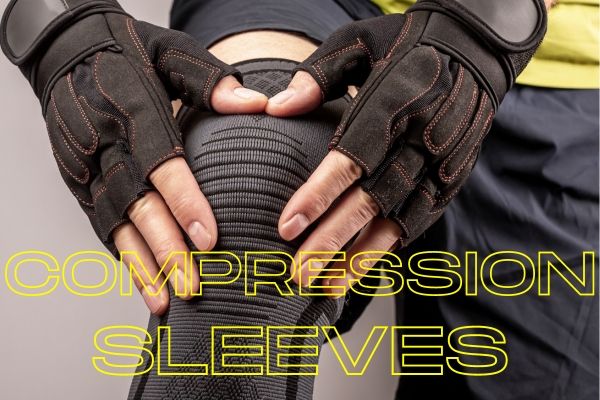
How Compression Sleeves Fit into a Gym Routine explains how compression sleeves can support comfort, recovery, and training confidence with practical buying guidance and product links.
How Compression Sleeves Fit into a Gym Routine is written from the perspective of a sportswear brand that has to think beyond headlines and into actual use. At SNPride Sports, that means asking how a product behaves during training, how it feels after repeated wear, and whether the buyer can match it to the right category without guesswork.
The useful angle is how compression sleeves can support comfort, recovery, and training confidence. Accessories earn their place when they solve a real training problem, whether that means better support, more comfort, or a simple way to keep the session organized.
That makes the link to Weight Lifting Products and items such as Hip Circle Bands, Wrist Wraps, and Weight Lifting Gloves important. A good accessory guide should not read like a shopping list. It should help the reader understand which tool is worth keeping in the gym bag and which one is only nice to have.
At SNPride Sports, we think of accessories as repeat-use items. They should survive regular handling, keep their shape or tension, and make the main training work easier. When that happens, the accessory becomes part of the routine instead of a temporary add-on.
For more reading around practical gear selection, Can Wrist Wraps Help with Wrist Pain During Training? is a useful follow-up. It keeps the conversation moving from general training support into a more specific product decision.
- Accessories should solve a real training problem.
- Look for repeat-use durability and stable feel.
- Choose gear that makes the rest of the session easier, not busier.
What a compression sleeve is designed to provide
A training sleeve applies close, elastic contact around a joint or limb. Many athletes value the feeling of warmth, coverage and tactile feedback during exercise. That sensation can make a knee or elbow feel more noticeable during movement, but it should not be presented as a cure or a guarantee against injury. Sleeve material, thickness and pattern determine whether it feels supportive, restrictive or barely noticeable.
Neoprene styles, including neoprene knee sleeves, tend to retain more warmth and have a structured feel. Knitted compression sleeves may be lighter and more breathable. The intended activity, climate and personal comfort should guide the choice.
Fit matters more than maximum tightness
Measure the location specified by the maker because charts may use joint circumference or a point above or below it. A sleeve should stay in position through the movement without rolling or creating sharp pressure. Tingling, numbness, color change, increasing pain or loss of normal movement are signs to remove it. Going smaller to obtain more compression can create a poor fit rather than useful support.
Test the sleeve through squats, bends and the actual range required in training. Material that bunches behind the knee or elbow can become uncomfortable over a long session. If the top edge slides, check both size and shape; bodies with the same circumference can still need different patterns.
Use sleeves for a defined part of the session
Some athletes put sleeves on during warm-ups and keep them for loaded working sets. Others use them only for specific movements. Either approach should have a reason. A sleeve is not a substitute for warming up, selecting manageable loads or learning technique. Regular training without unnecessary equipment can also help the athlete understand how the joint feels on its own.
Keep the sleeve clean and inspect it
Sweat and skin oils collect quickly in close-fitting equipment. Follow the care label, wash gently with an appropriate detergent and allow the sleeve to dry fully away from excessive heat. Turning it inside out after training improves airflow. Replace it when the elastic no longer recovers, seams split, the material cracks or the sleeve repeatedly moves out of position.
Do not share unwashed sleeves. For clubs and wholesale buyers, clear size markings and care instructions reduce misuse and help users maintain the product correctly.
When a sleeve is not the answer
- Pain that persists, worsens or changes normal movement.
- New swelling, numbness, weakness, instability or visible deformity.
- Symptoms after a fall, collision or other significant injury.
- A sleeve used to continue loads that the body cannot currently tolerate.
- Any situation where a clinician has advised a different support or treatment plan.
Conclusion: comfort and feedback, with clear limits
Compression sleeves can add warmth, close contact and a consistent feel to a gym session when they fit properly. Their value is practical rather than medical: they may make certain movements feel more comfortable, but they do not diagnose, treat or prevent injury. Select the material for the activity, avoid excessive tightness, maintain the sleeve carefully and pay attention to symptoms. Persistent pain or loss of function deserves qualified assessment, not tighter equipment.
Buying and custom-manufacturing considerations
For a wholesale or private-label order, define how compression sleeves for gym training will be used before discussing decoration. Record the required materials, measurements, size range, colors, logo positions, labels, packaging and quantity. Compare the approved relevant product example with the wider product category, then request a physical sample. Review fit, movement, construction and care after use rather than approving only a digital mock-up.
Keep written notes for every revision and confirm which sample becomes the production reference. Ask how measurements and visual defects will be checked, what variation is acceptable, and whether repeat orders can use the same materials. Include the intended market and user level in the brief because a club, retail brand and professional training program may prioritize different details. Confirm the final size breakdown and artwork files before production begins, since late changes can affect material use, placement and scheduling.
Related guidance is available in this practical guide and this supporting article. These links help buyers compare the product within its real training or apparel context instead of treating one feature as the complete decision.