
How to Clean Weightlifting Gloves Without Damaging Them
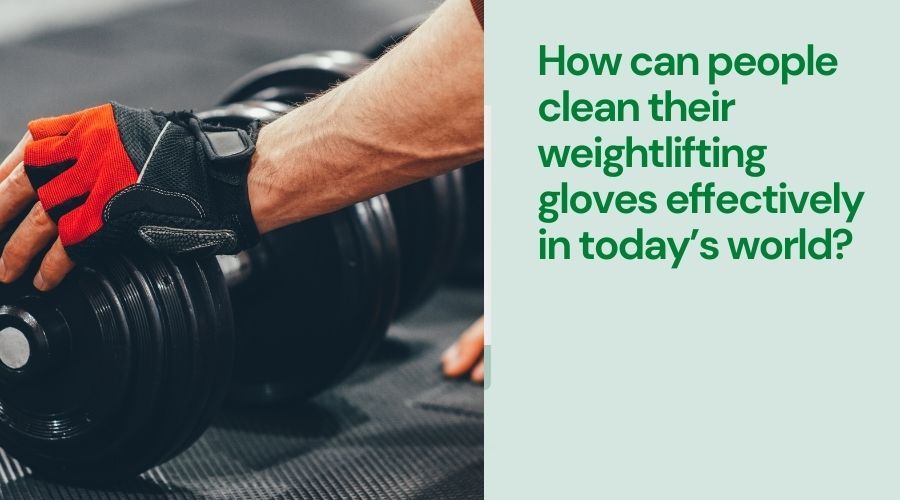
How to Clean Weightlifting Gloves Without Damaging Them explains how to maintain lifting gloves so they stay usable and comfortable with practical buying guidance and product links.
How to Clean Weightlifting Gloves Without Damaging Them is written from the perspective of a sportswear brand that has to think beyond headlines and into actual use. At SNPride Sports, that means asking how a product behaves during training, how it feels after repeated wear, and whether the buyer can match it to the right category without guesswork.
The practical question here is how to maintain lifting gloves so they stay usable and comfortable. Support gear matters because athletes feel small changes in position very quickly, and the wrong accessory can make a simple lift feel harder than it should.
That is why the post ties back to Weight Lifting Products and items such as Weight Lifting Gloves, Wrist Wraps, and Leather Weight Lifting Belts. Whether the topic is gloves, wraps, or sleeves, the buyer is usually trying to solve one thing: how to stay stable and comfortable without overcomplicating the training setup.
SNPride Sports writes these guides with the same mindset we use in product development. Support gear has to be useful under pressure, easy to understand, and consistent enough that the user can trust it again on the next session.
If the reader wants more nuance, What Is the Purpose of Wrist Wraps in Weight Training? gives another perspective on the same family of support products and makes the buying process easier to narrow down.
- Support gear should improve position, not distract from the set.
- Look for stable tension and a secure feel under load.
- Pair the article with the product pages for a cleaner purchase path.
Dry gloves immediately after every session
The most effective cleaning habit starts before washing. Remove weightlifting gloves from the gym bag, open all straps and allow air to reach the palm and lining. Leaving damp gloves in a closed compartment encourages odor and can weaken materials and adhesives. Blot excess moisture with a clean towel rather than placing the gloves on a radiator or under harsh direct heat.
If the gloves contain removable inserts, follow the product instructions before taking anything apart. Close hook-and-loop tabs when they are not being aired so they do not catch and roughen other fabric.
Read the care label before choosing a method
Leather, synthetic microfiber, neoprene, mesh and mixed-material gloves need different care. A method suitable for a washable textile glove can dry or distort leather. The manufacturer's label should take priority over general internet advice. If instructions are missing, begin with the least aggressive approach: spot clean a hidden area using a damp cloth and a small amount of mild soap.
Avoid bleach, strong solvents and heavy fragrance products. They may affect color, surface finish or skin comfort without removing the material that causes odor. Never soak a leather glove unless its instructions explicitly permit it.
Hand wash washable textile gloves gently
For gloves marked as hand washable, prepare cool or lukewarm water with a small amount of mild detergent. Fasten closures, submerge briefly and work the fabric gently with the hands. Focus on the palm and finger areas without aggressive scrubbing or twisting. Rinse until the water is clear and press out moisture between towels. Wringing can stretch the glove and damage padding alignment.
Machine washing should only be used when the label allows it. A laundry bag, gentle cycle and cool water reduce mechanical stress, but repeated machine cycles can still shorten the life of closures and bonded layers.
Air-dry while preserving shape
Reshape the fingers and palm, then place the gloves in moving air away from direct heat and strong sunlight. Turn them during drying so both surfaces receive airflow. Do not use a tumble dryer unless specifically approved. Wear gloves only when fully dry; a damp interior quickly recreates the odor problem and may cause skin irritation.
Prevent odor between deeper cleans
Wash hands before training, wipe shared handles when appropriate and rotate between two pairs if sessions are frequent. A clean, breathable storage pouch is better than a sealed plastic bag. Wash wraps separately and never store them inside the gloves. If odor remains after correct cleaning and full drying, the lining may be holding material that cannot be removed safely.
Signs that replacement is safer than another wash
- Cracked or hardened palm material that changes grip.
- Separated seams, exposed padding or loose reinforcement.
- A closure that opens during normal use.
- Persistent odor or visible growth after proper cleaning.
- A stretched fit that allows the hand to slide.
Conclusion: frequent drying reduces the need for harsh cleaning
Clean lifting gloves according to their material, beginning with the care label and the gentlest effective method. Airing after every session is more important than occasional aggressive washing. Use mild products, avoid heat, dry completely and inspect the glove while cleaning. Good maintenance improves comfort and hygiene, but damaged material, failed closures or persistent contamination are reasons to replace the pair rather than keep treating it.
Buying and custom-manufacturing considerations
For a wholesale or private-label order, define how how to clean weightlifting gloves will be used before discussing decoration. Record the required materials, measurements, size range, colors, logo positions, labels, packaging and quantity. Compare the approved relevant product example with the wider product category, then request a physical sample. Review fit, movement, construction and care after use rather than approving only a digital mock-up.
Keep written notes for every revision and confirm which sample becomes the production reference. Ask how measurements and visual defects will be checked, what variation is acceptable, and whether repeat orders can use the same materials. Include the intended market and user level in the brief because a club, retail brand and professional training program may prioritize different details. Confirm the final size breakdown and artwork files before production begins, since late changes can affect material use, placement and scheduling.
Related guidance is available in this practical guide and this supporting article. These links help buyers compare the product within its real training or apparel context instead of treating one feature as the complete decision.