
Types of Weightlifting Belts and How to Choose One
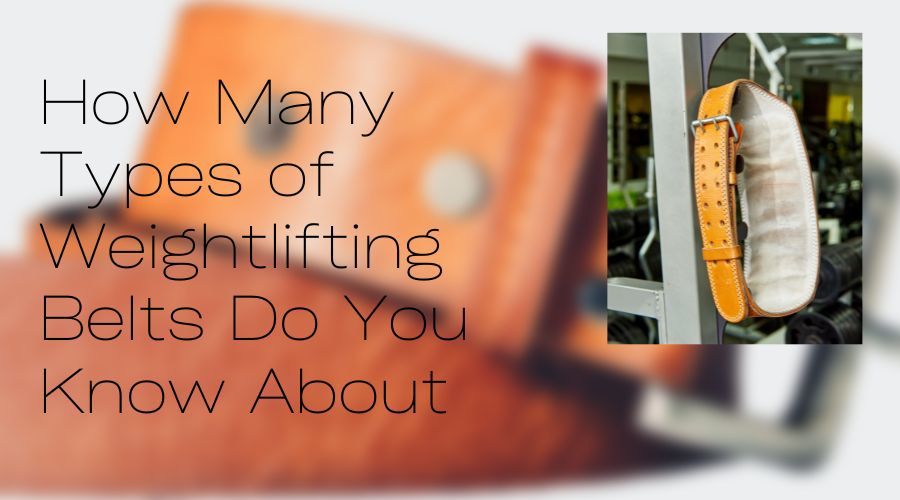
Types of Weightlifting Belts and How to Choose One explains the main belt styles lifters compare before ordering with practical buying guidance and product links.
Types of Weightlifting Belts and How to Choose One is written from the perspective of a sportswear brand that has to think beyond headlines and into actual use. At SNPride Sports, that means asking how a product behaves during training, how it feels after repeated wear, and whether the buyer can match it to the right category without guesswork.
In practical terms, the main belt styles lifters compare before ordering. The details that matter most are the way the belt sits on the torso, how the closure behaves when braced, and whether the structure still feels predictable after a few hard sessions.
SNPride Sports keeps that thinking linked to the Weight Lifting Products range, especially items like Weight Lifting Gloves, Wrist Wraps, and Leather Weight Lifting Belts. A belt guide should not stay abstract; it should help the buyer compare styles, understand support levels, and decide which setup suits their training habits.
We have seen that lifters care less about broad promises and more about the sensations that matter in the gym: a secure midsection, stable pressure, and a belt that does not twist or collapse when the set gets heavy. That is why belt content works best when it talks about use, not just materials.
For readers comparing different support tools, Should Weight Lifters Wear Weight Lifting Belts? is the natural next step. It adds another layer of decision-making by showing how the same product family is discussed from a slightly different training angle.
- Best for heavy compound lifts where bracing matters.
- Compare stiffness, closure, and the way the belt sits under load.
- Use the category page to match belt style to the right product line.
Leather power belts
Leather belts are common in strength training because the material can provide a firm surface for abdominal bracing. A power belt usually keeps a similar width around the body, creating consistent contact at the front, sides and back. Thickness and construction affect how quickly it breaks in. A very stiff belt may suit heavy, deliberate sets but can feel restrictive during dynamic movements or high-repetition training.
Closures include single-prong, double-prong and lever systems. A single prong is simple to adjust across holes. Double prongs spread the closure but can take longer to fasten. Lever belts are fast and secure once set, although changing the fit generally requires repositioning the lever. Compare these formats on the leather weight lifting belts page before deciding which trade-off matches the athlete.
Tapered and bodybuilding belts
A tapered belt is wider at the back and narrower at the front. The reduced front profile can feel less restrictive during exercises that involve more torso flexion or a varied gym session. It does not provide the same uniform surface as a power belt, so the decision depends on the intended lifts and the user's comfort. The wider rear panel should not be treated as a guarantee of spinal protection; technique and load management remain essential.
Neoprene and flexible training belts
Neoprene belts are usually lighter, softer and easier to wear for longer periods. Hook-and-loop closures allow quick adjustment, making this style popular for general gym work. The trade-off is less rigidity than a thick leather belt. That can be appropriate when comfort and movement matter more than maximum stiffness. Check the quality of edge binding and the full area of the closure, because these parts receive repeated stress.
Specialized shapes and competition considerations
Olympic-style lifting and functional training may lead athletes toward belts with a lower profile or shaped front so the belt interferes less with the start position. Competition lifters also need to check the current rules of their federation for permitted dimensions and closures. A belt accepted in one setting may not meet another organization's requirements. Rules, coaching advice and personal anatomy should take priority over a generic product label.
How to narrow the choice
- Choose the belt for specific lifts and training frequency.
- Measure the waist where the belt will sit, not by trouser size.
- Compare uniform versus tapered width and the resulting movement freedom.
- Select a closure that balances fast use with easy adjustment.
- Learn bracing without a belt before adding one to heavier sets.
Conclusion: belt type should follow the job
Leather power belts, tapered belts and flexible neoprene models solve different problems. The best choice is not the stiffest or most expensive belt; it is the one that fits the athlete, supports the intended bracing pattern and does not obstruct the lift. Measure carefully, check applicable rules, and introduce the belt gradually. Equipment can provide a useful external cue, but it should complement sound technique rather than stand in for it.
Buying and custom-manufacturing considerations
For a wholesale or private-label order, define how types of weightlifting belts will be used before discussing decoration. Record the required materials, measurements, size range, colors, logo positions, labels, packaging and quantity. Compare the approved relevant product example with the wider product category, then request a physical sample. Review fit, movement, construction and care after use rather than approving only a digital mock-up.
Keep written notes for every revision and confirm which sample becomes the production reference. Ask how measurements and visual defects will be checked, what variation is acceptable, and whether repeat orders can use the same materials. Include the intended market and user level in the brief because a club, retail brand and professional training program may prioritize different details. Confirm the final size breakdown and artwork files before production begins, since late changes can affect material use, placement and scheduling.
Related guidance is available in this practical guide and this supporting article. These links help buyers compare the product within its real training or apparel context instead of treating one feature as the complete decision.