
How Professional Boxers Choose the Right Boxing Gloves
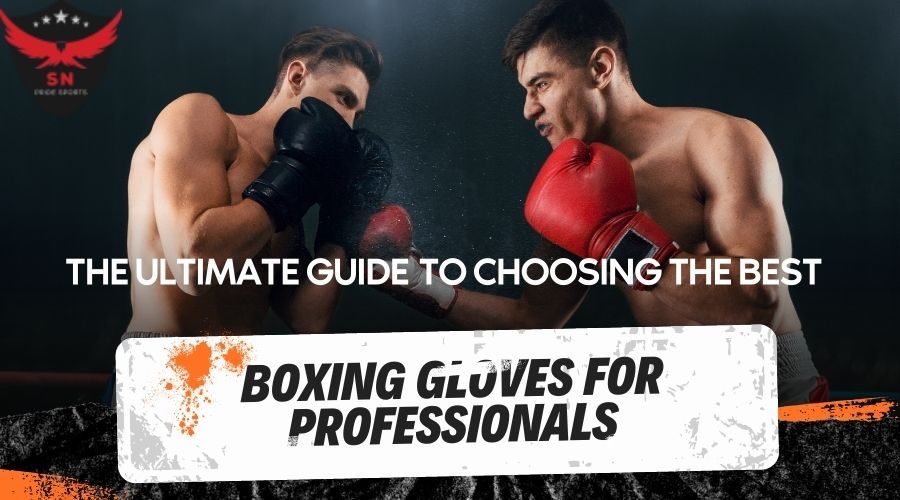
How Professional Boxers Choose the Right Boxing Gloves explains the practical details pros compare before ordering boxing gloves with practical buying guidance and product links.
How Professional Boxers Choose the Right Boxing Gloves is written from the perspective of a sportswear brand that has to think beyond headlines and into actual use. At SNPride Sports, that means asking how a product behaves during training, how it feels after repeated wear, and whether the buyer can match it to the right category without guesswork.
The buying question here is the practical details pros compare before ordering boxing gloves. Boxing gear works best when the hand, wrist, and padding all feel like they are doing their jobs together, especially once the athlete starts moving through rounds, pads, or bag work.
That is why this article points back to Boxing & Martial Art Gear and to items like Boxing Gloves, Boxing Hand Wraps, and Quick Wraps. Gloves and wraps are a system. The glove should fit well, the closure should feel secure, and the related gear should help protect the hand without making the setup feel bulky.
From a brand perspective, we care about the details that a regular buyer notices immediately: wrist balance, padding response, and how the gear feels after repeated contact. Those are the things that separate a training glove from a glove that just looks the part.
For readers comparing choices, How Do I Choose Boxing Gloves? A Practical Guide is a strong next step because it adds a more specific decision point from the same combat-sport family.
- Match the glove to the training job, not just the label.
- Check wrist support, padding feel, and closure stability.
- Use wraps and gloves together as one system.
Professional training requires more than one glove role
A professional boxer may use separate gloves for bag work, pad sessions, technical drills and sparring. Each task places different demands on padding and feedback. A compact bag glove can provide clearer contact, while sparring partners generally need a glove designed and weighted for that purpose under the gym's rules. Competition gloves are governed by the sanctioning body and event, so they are not selected through a general retail guide.
The first question is therefore not which glove is best, but what the glove must do. Using one pair for every session can accelerate wear and create the wrong balance of protection, feedback and partner safety. Coaches should remain involved in sparring and competition choices.
Understand weight, padding and hand compartment
Glove weight is stated in ounces, but two gloves with the same marked weight can distribute padding differently. Dense padding, layered foam geometry and the shape of the fist compartment influence feel more than the number alone. The hand should close naturally without fighting the glove, and the fingertips should not press painfully into the end. A secure thumb position and smooth interior reduce distraction during long sessions.
Hand wraps change the fit, so test gloves with the wrapping method normally used. Inspect the boxing gloves construction, then compare wrist alignment and fist closure rather than choosing from appearance. If the glove forces the wrist backward or allows the hand to slide, try another size or pattern.
Compare wrist closures and cuff structure
Hook-and-loop closures are practical for daily training because athletes can usually fasten them without assistance. Lace-up gloves can offer an even cuff fit but require correct tying and are often taped for supervised use. In either case, the cuff should work with the wrap to create a stable transition from hand to forearm. A stiff-looking cuff is not useful if the closure loosens or the internal fit is oversized.
Choose shell material for use and maintenance
Well-finished leather can age effectively when it is aired and maintained, while modern synthetic materials can offer consistency and easier cleaning. Construction matters in both: examine seam placement, panel alignment, lining attachment and the areas around the thumb and closure. Professionals train frequently, so drying behavior and access to a replacement pair matter as much as the initial finish.
Inspection points for a serious training glove
- Correct role for bag work, pads, drills or coach-approved sparring.
- Natural fist closure with wraps and no fingertip pressure.
- Balanced padding without obvious hard spots or collapsed areas.
- Stable wrist closure and a thumb position suited to the hand.
- Even seams, secure lining and a realistic cleaning routine.
Know when to replace a glove
Retire a glove when padding develops hard or thin areas, seams open, the closure no longer stays secure, or the lining shifts enough to affect hand position. Persistent odor after proper drying can also signal a hygiene problem. Sparring gloves deserve especially careful inspection because worn padding affects another person, not only the owner.
Conclusion: choose for the session, then verify the fit
Professional-level selection is a process, not a brand label. Define the session, follow gym and event rules, test the glove with wraps, and inspect padding and wrist behavior under a coach's eye. Materials and appearance matter, but role-specific construction, consistent fit and timely replacement matter more. A dependable glove should let the boxer concentrate on technique while meeting the responsibilities of the training environment.
Buying and custom-manufacturing considerations
For a wholesale or private-label order, define how best boxing gloves for professionals will be used before discussing decoration. Record the required materials, measurements, size range, colors, logo positions, labels, packaging and quantity. Compare the approved relevant product example with the wider product category, then request a physical sample. Review fit, movement, construction and care after use rather than approving only a digital mock-up.
Keep written notes for every revision and confirm which sample becomes the production reference. Ask how measurements and visual defects will be checked, what variation is acceptable, and whether repeat orders can use the same materials. Include the intended market and user level in the brief because a club, retail brand and professional training program may prioritize different details. Confirm the final size breakdown and artwork files before production begins, since late changes can affect material use, placement and scheduling.
Related guidance is available in this practical guide and this supporting article. These links help buyers compare the product within its real training or apparel context instead of treating one feature as the complete decision.