See Details
Taekwondo Hand Target Custom from SNPride Sports is built for repeat active use, with reliable fit and durable finishing.

Manufactured in Sialkot, Pakistan— exported to 40+ countries. Full OEM & private-label available.
We've spent years working directly with fighters, gyms, and combat sports teams to understand what separates functional fight shorts from gear that fails under pressure. When you order custom mma shorts from SNPride Sports, you're getting shorts built by people who've watched athletes move through takedowns, scrambles, and submissions. We know that off-the-shelf options often miss the mark—seams split during grappling, waistbands slip during clinches, and fabric choices don't hold up to sweat and repeated washing. That's why we focus on construction details that matter when you're actually competing or training hard.
The foundation of any quality pair of training shorts mma is how the seams are reinforced and where stress points are protected. We pay particular attention to the inner thigh seams, which take the most punishment during leg lock defense and positional transitions. Our approach includes reinforced stitching patterns at high-stress zones and strategic fabric layering where athletes need durability without bulk. The waistband construction matters just as much—we work with buyers to choose between elastic-only designs for maximum mobility and hybrid systems that combine elastic with drawstring security. The leg opening also gets careful consideration because too much restriction limits hip mobility during kicks and takedown attempts, while too much looseness creates drag and discomfort during grappling exchanges.
We recognize that a wrestler's mobility needs differ from a striker's, and grappling shorts custom designs should reflect that reality. For grappling-focused athletes, we typically work with slightly shorter inseams and a cut that allows full hip abduction without fabric bunching at the groin. For fighters who blend striking and grappling, a mid-length inseam with a slightly wider thigh panel provides better balance. During the sample approval stage, we encourage you to test the shorts through your actual training—not just visual inspection. We've had buyers request adjustments to the rise, waist circumference, and leg opening after their athletes wear samples during live rolling or pad work. These real-world tests catch fit issues that static measurements never reveal.
Lightweight mma shorts don't mean flimsy construction. We work with buyers to select materials that balance weight reduction with durability. Microfiber blends, ripstop nylon, and performance polyester options each offer different advantages depending on your climate, training intensity, and aesthetic preferences. The key is matching material choice to your intended use—a fighter training in a hot climate might prioritize moisture-wicking and quick-dry properties, while someone in a cooler region might prefer slightly heavier fabric that moves less during movement. We discuss these trade-offs during the specification phase so your final product aligns with how your athletes will actually use it.
When you're developing fight shorts custom designs, branding placement and method directly affect both appearance and durability. We work with screen printing, embroidery, sublimation, and heat transfer options depending on your design complexity and budget. Embroidery on the thigh or hip works well for logos and gym names, while sublimated patterns across the entire short create a premium look that won't peel or crack. We also help you decide on color placement—contrasting side panels, solid bodies with accent trim, or full-coverage patterns. Your approved specification document will detail every branding element, color code, placement measurement, and application method so there's no ambiguity when production begins.
Before we move to full production, we send samples for your evaluation and feedback. This stage is where most issues get caught and corrected. We ask you to check seam integrity by pulling on stress areas, verify that all branding is crisp and properly positioned, confirm that colors match your approved swatches, and test fit across different body types if you're ordering for a team. We also inspect for loose threads, uneven stitching, and any manufacturing defects. If adjustments are needed—a slightly different inseam, modified waistband tension, or branding repositioning—we make those changes and send revised samples. This iterative process ensures your final order meets your standards.
Quality shorts only stay functional if athletes care for them properly. We provide detailed care guidance based on your chosen materials and construction methods. Most MMA shorts benefit from cold water washing, air drying, and avoiding fabric softeners that break down elastic. Embroidered logos hold up better than screen prints over many wash cycles, though both methods last significantly longer when athletes rinse sweat out immediately after training rather than letting it sit. We've found that athletes who follow basic care instructions get 2-3 years of regular use from well-constructed shorts, while neglected pairs deteriorate much faster.
Starting your order begins with a detailed conversation about your needs, budget, and timeline. We'll discuss whether you're outfitting a single fighter, a competition team, or a gym retail program—each scenario has different considerations. You'll work with our team to finalize materials, colors, sizing, branding, and construction details. If you're new to working with a sportswear manufacturer, we recommend reviewing our buyer's guide to choosing a sportswear manufacturer to understand the process and what to expect. We also carry complementary products like our BJJ Belt and BJJ Suit if you're building a complete combat sports apparel line. Once your specification is locked and samples are approved, production moves forward on your timeline.
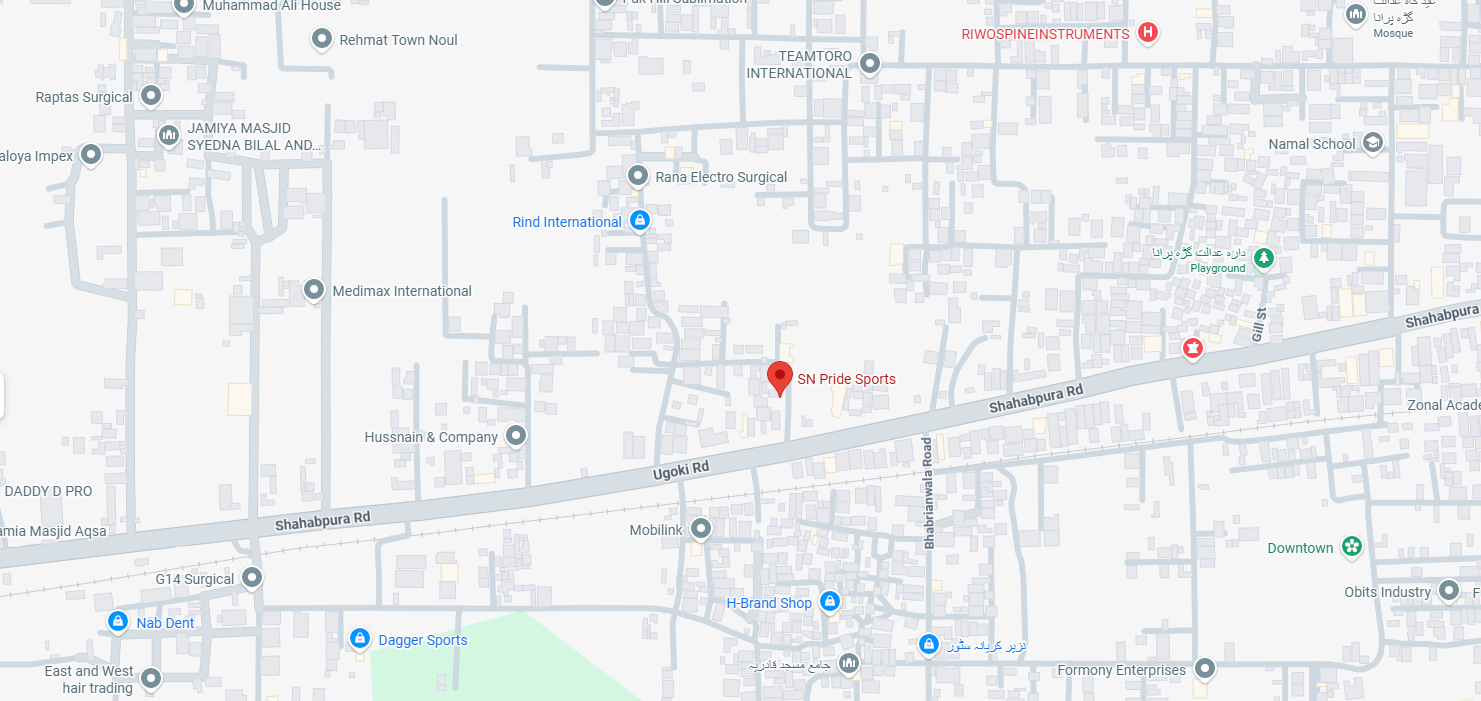 See Directions